
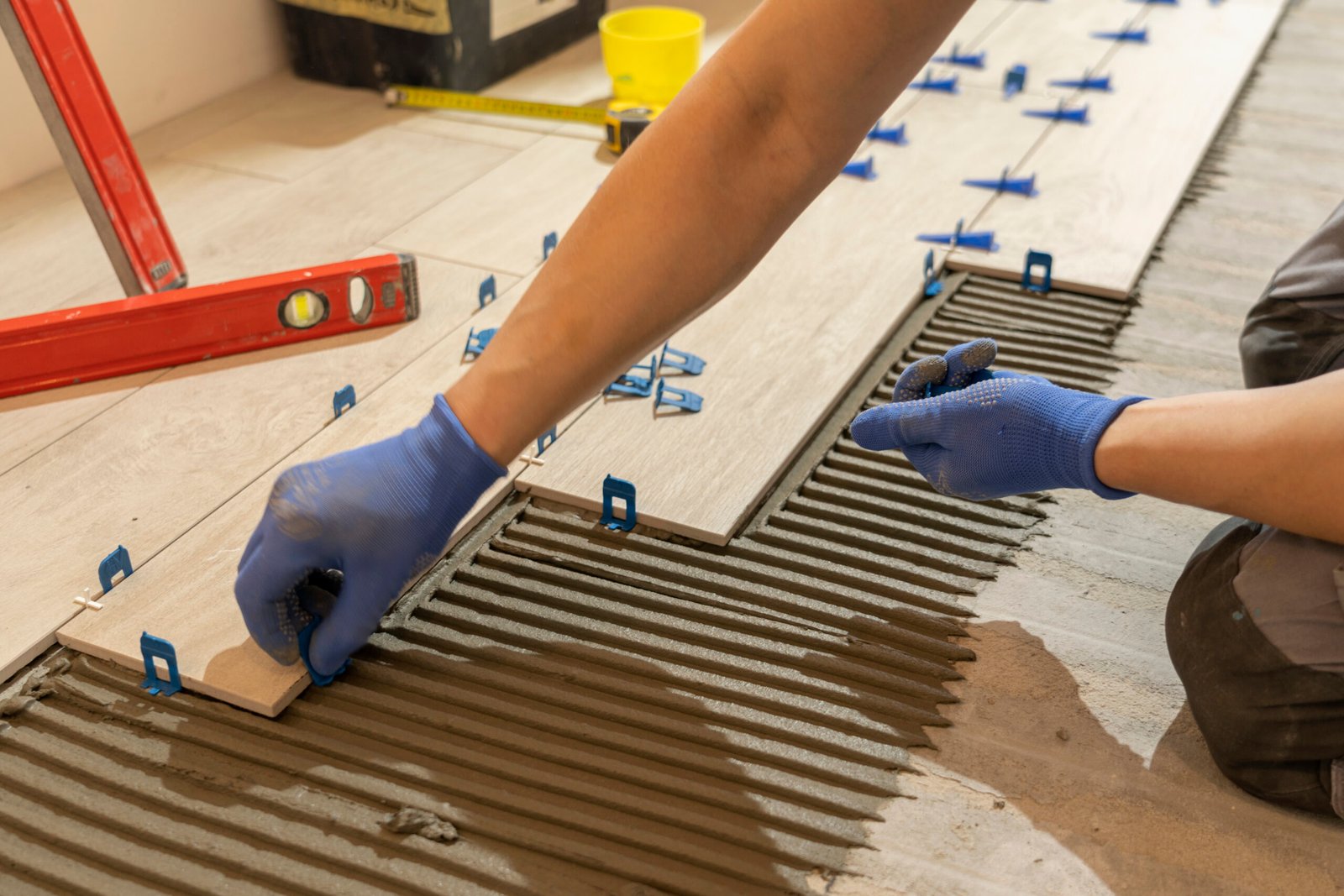

Hiring the right tile flooring san antonio team makes a real difference in the final result. Flooring is one of the biggest visual and financial decisions in any San Antonio home, and tile is consistently one of the most requested materials thanks to its durability in our climate. Homeowners planning a flooring project usually want the same core information: what different tile options cost, which materials actually hold up to Texas heat and humidity, and how to avoid a botched installation. This guide covers real pricing, tile types suited to our climate, and what separates a floor that lasts decades from one that cracks within a few years.
Table of Contents
- How Much Does Tile Flooring Installation Cost in San Antonio?
- Types of Tile and Where They Work Best
- Why Tile Suits San Antonio’s Climate
- Subfloor Prep and Why It Matters
- Choosing the Right Grout and Sealant
- Common Tile Installation Mistakes to Avoid
- What to Expect From Our Process
- Choosing the Right Tile Flooring Contractor
- Frequently Asked Questions
Tile flooring installation San Antonio: How Much Does Tile Flooring Installation Cost in San Antonio?
Tile installation costs depend on material, room size, subfloor condition, and pattern complexity, with intricate layouts like herringbone costing more in labor than a straightforward grid pattern. At A+ Painting Contractor, we assess your space and provide a written, itemized estimate so there are no surprises once work begins.
| Room Size | Typical Cost Range | Estimated Timeline |
|---|---|---|
| Bathroom (50-100 sq ft) | $800 to $2,000 | 2 to 3 days |
| Kitchen (150-300 sq ft) | $1,800 to $4,500 | 3 to 5 days |
| Whole-home flooring (1,500+ sq ft) | $6,000 and up | 1 to 2 weeks |
Types of Tile and Where They Work Best
Porcelain tile is dense, low-porosity, and highly durable, making it a strong choice for high-traffic areas and homes with pets or kids. Ceramic tile costs less and works well in lower-traffic spaces like powder rooms. Natural stone tile, such as travertine or slate, offers a distinctive look but requires periodic sealing to resist staining and moisture absorption. Every tile flooring san antonio quote should include a written scope of work.
Large-format tile has become increasingly popular for its modern look and fewer grout lines, though it requires an especially flat, well-prepared subfloor to install correctly. Mosaic tile, typically mounted on mesh sheets, is well suited to accent walls, showers, and backsplashes where smaller pieces can follow curves and corners that larger format tile simply cannot accommodate.
Why Tile Suits San Antonio’s Climate
Tile handles San Antonio’s heat and humidity better than most flooring materials. Unlike hardwood, tile does not expand, contract, or warp with humidity swings, and it stays noticeably cooler underfoot during our long, hot summers. It is also naturally resistant to moisture, which makes it a practical choice for bathrooms, laundry rooms, kitchens, and entryways where spills and humidity are a regular part of daily life.
Properly installed and sealed tile can last 25 years or more, making it one of the best long-term investments for flooring in our region. That is exactly what a qualified tile flooring installation San Antonio team should deliver. A trusted tile flooring installation san antonio provider will always explain the subfloor prep process up front.
Subfloor Prep and Why It Matters
A tile installation is only as good as the subfloor underneath it. Uneven or flexing subfloors are the leading cause of cracked tile and failed grout lines, since tile has almost no flexibility and transfers movement from the subfloor directly into cracks. We check for level, address any soft spots or damage, and install appropriate underlayment before a single tile goes down. A reputable tile flooring san antonio company will stand behind their installation with a labor warranty.
Skipping this step to save time is the single most common reason a tile floor fails prematurely. Older San Antonio homes with pier-and-beam foundations require particular attention here, since a bit more natural flex in the structure means underlayment and crack-isolation membranes are often worth the added cost for long-term durability.
Choosing the Right Grout and Sealant
Grout choice affects both the look and the maintenance of a tile floor. Sanded grout works best for joints wider than an eighth of an inch and resists cracking in larger gaps, while unsanded grout suits tighter joints and delicate tile surfaces that could scratch. Epoxy grout costs more but resists staining and moisture far better than standard cement-based grout, making it worth considering for kitchens and bathrooms. Whatever grout is used, a quality penetrating sealer applied after installation and reapplied periodically will significantly extend how long the floor looks new.
Common Tile Installation Mistakes to Avoid
The most common mistake is skipping proper subfloor leveling, which leads to cracked tiles and grout lines within the first year or two. Using the wrong trowel size or not enough thin-set adhesive is another frequent issue, since inadequate coverage creates hollow spots that eventually crack under weight. Homeowners sometimes also skip sealing natural stone tile, which leaves it vulnerable to staining from everyday spills.
Finally, rushing to walk on or use a newly tiled floor before the thin-set and grout have fully cured can shift tiles out of alignment and compromise the bond before it has a chance to set properly. Comparing at least three tile flooring san antonio estimates helps homeowners spot fair pricing.
What to Expect From Our Process
Every tile flooring project starts with a free in-home consultation where we assess your subfloor and discuss material and pattern options. From there we provide a written estimate, properly prep and level the subfloor, install tile with correct spacing and adhesive coverage, and finish with grout and sealant. We are licensed and insured, and every project is backed by our satisfaction guarantee. You can request a free quote to see numbers for your own home. This is the standard homeowners should expect from any tile flooring installation San Antonio company.
Choosing the Right Tile Flooring Contractor in San Antonio
- Confirm licensing and insurance, and ask to see proof.
- Ask how they address subfloor leveling before installation begins.
- Get a written, itemized estimate before work begins.
- Ask what grout and sealant options they recommend for your space.
- Check recent, verifiable reviews from San Antonio homeowners.
- Clarify the warranty on both labor and materials.
You can see real feedback from San Antonio homeowners on our client reviews page, and browse our other services on the full services page.
Frequently Asked Questions
How much does tile flooring installation cost in San Antonio?
Costs typically range from $800 to $2,000 for a bathroom, $1,800 to $4,500 for a kitchen, and $6,000 or more for whole-home installations, depending on tile material and pattern complexity.
Is tile a good choice for San Antonio’s climate?
Yes. Tile does not expand or warp with humidity like hardwood, stays cooler underfoot in summer, and resists moisture well, making it ideal for bathrooms, kitchens, and entryways in our region.
How long does properly installed tile flooring last?
Properly installed and sealed tile can last 25 years or more. Subfloor preparation is the biggest factor in how long a tile floor holds up without cracking.
What is the most common cause of tile flooring failure?
Improper subfloor preparation is the leading cause. Uneven or flexing subfloors transfer movement directly into the tile, causing cracks and grout line failures within the first year or two.
Should I choose porcelain or ceramic tile?
Porcelain is denser and more durable, making it well suited to high-traffic areas and homes with pets or kids. Ceramic costs less and works well in lower-traffic spaces. For licensing and consumer protection standards, see the Texas Department of Licensing and Regulation.
Ready to upgrade your floors? Get a free, no-obligation quote from A+ Painting Contractor today, or call (726) 208-9696.
Ready for Tile and Flooring Installation in San Antonio?
Get a free quote for your tile or flooring installation project, or call to speak with our team about materials and pricing today.